Window Tint: What Separates Marketing from Protection
Beyond the Gloss: Understanding Window Tint’s Real Value
Window tinting has become synonymous with automotive style, but this reputation masks a much more serious purpose. The majority of drivers think tint is about privacy or appearance. Those things are real, but they are the side effects, not the reason tint was engineered in the first place. The discipline originated from a single functional demand: blocking ultraviolet radiation and the heat it carries into the vehicle’s interior. Everything else followed.
<!– wp:pullquote {"value":"Window tint separates what looks good from what actually protects.
“,”className”:”stb7-card”} –>Window tint separates what looks good from what actually protects.
The distinction matters because a tint job that passes on appearance alone may fail at protection. A thin cosmetic tint and a high-performance ceramic coating look similar to the untrained eye, but their performance curves diverge sharply once the car sits in the sun. A vehicle owner expecting one and receiving the other has a legitimate complaint, even if the installation was flawless.
What Professional Application Reveals
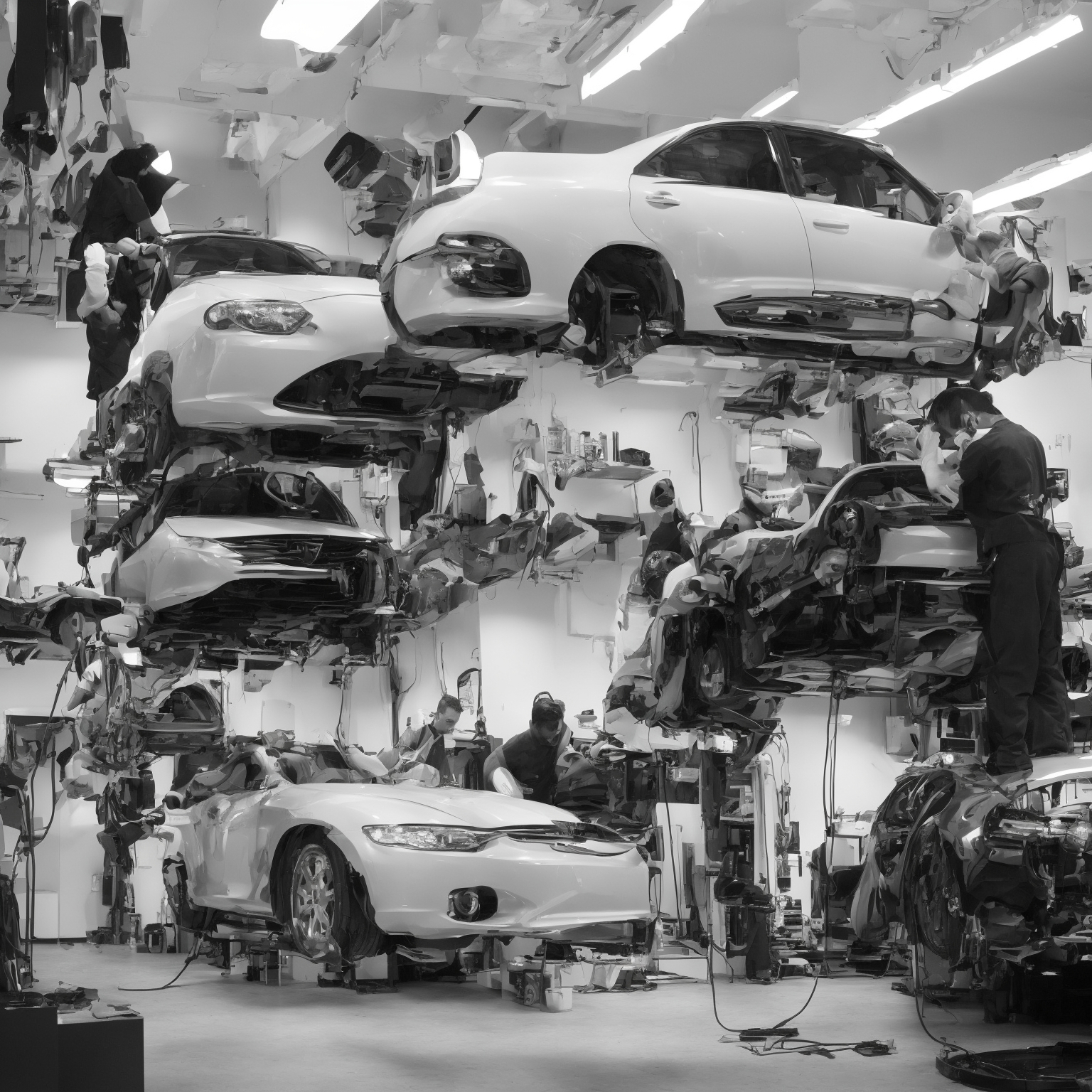
A professional tint facility does not exist just to apply film faster or cheaper. The work environment—climate control, dust filtration, precision cutting tools, and lighting—exists because window tint performance is sensitive to installation conditions. A single dust particle trapped under the film creates a void that degrades UV blocking at that point. Humidity during installation can trap moisture that spreads under the film over months. A technician working in a poorly lit bay cannot see edge alignment clearly enough to guarantee the film sits flush against the glass.
The finished product you see on a car is the installer’s quality control made visible. A sharp edge, a bubble-free surface, and uniform coloration across the pane are not aesthetic preferences—they are markers that the installation met the film’s performance specifications.
The Numbers That Define Performance
- 99%+
- Ultraviolet light (UVA and UVB) blocked by premium window film. Research from The Skin Cancer Foundation shows that UV window film can block more than 99% of UVA and UVB light passing through a car’s side and rear glass. This is what separates a tint job sold on looks alone from one sold on what it actually keeps out.
- 45–55%
- Solar heat rejection typical of ceramic-based window film. This range varies by film type and darkness level, but represents the amount of infrared radiation (heat) that does not enter the vehicle cabin.
- 15–35%
- Visible light transmission (VLT) for a standard automotive tint application. This metric determines how dark the tint appears and affects glare reduction. State regulations set legal minimums, typically 70% VLT for front side windows.
- 75%+
- Clarity retention benchmark for optical-grade window film. Premium films maintain visibility and image sharpness—a critical factor because a tint that reduces glare but warps the driver’s perception of road objects creates a new safety risk.
These figures tell a story that marketing copy often obscures. A tint sold primarily for privacy (darkness) may achieve the 99% UV blocking as an afterthought. A tint sold for heat rejection but applied over poor-quality glass adhesive will eventually peel, voiding all protection claims. The appearance and the performance are linked only when the tint is specified, manufactured, and installed correctly.
Window Tint Within the Broader Aftermarket Industry
Window tint does not exist in isolation. It is part of the automotive appearance and protection category, which includes paint protection film, ceramic coatings, and professional detailing. The appearance and protection side of the trade—tint, film, coatings—sells through the same channels the Specialty Equipment Market Association represents for the rest of the automotive aftermarket, which is why SEMA tracks it alongside every other specialty segment rather than off to the side. This industry integration means that tint shops operate under the same accreditation standards, supply chains, and professional training networks as body shops and detail studios. A technician who works with window film also understands paint chemistry, clear coat, and material compatibility—knowledge that matters when a tint job intersects with a vehicle’s factory finish.
How to Approach a Tint Specification
Step 1: Understand your state’s VLT regulations
Every state sets legal limits on how dark a front-side tint can be. Most allow 70% VLT for front windows, though some are stricter. Rear and back windows are typically unrestricted. Exceeding the legal limit exposes you to traffic citations, and the shop you work with shares liability for an illegal application. Start by confirming your state’s rules, usually published by the DMV or highway patrol.
Step 2: Choose a film type matched to your priority
Tint film families have different cost-to-performance ratios. Dyed film (least expensive, limited lifespan) is suited to drivers who want temporary privacy at low cost. Metallic film (mid-range, better heat rejection) works well for commute vehicles. Ceramic film (premium cost, best overall performance and clarity) is the choice if UV protection or heat rejection is the priority. Clarify what you want the tint to accomplish—appearance, heat reduction, UV blocking, or a combination—before discussing options with a technician.
Step 3: Inspect the workshop before committing
A professional tint facility should show you climate control, dust filtration visible in the work bays, adequate lighting, and a preparation area separated from the application area. Ask how they handle high-humidity days (many refuse to tint when humidity is above 60%, because trapped moisture ruins the installation). A shop that rushes through these considerations or cannot explain why they matter is not the shop to trust with a precision installation.
Step 4: Verify the post-installation cure time
Window film requires 24–72 hours of cure time before the vehicle should be washed, subjected to heavy sunlight, or driven in humid conditions. During cure, water and air under the film migrate outward, and the adhesive sets fully. This is not a suggestion or a marketing delay—it is a materials specification. A shop that sends you out the door without this explanation is cutting corners you cannot see until the tint fails months later.
Window tint is not a decorative afterthought. It is a engineered system that performs only when every step—film selection, installation environment, technician skill, and post-installation care—meets the material’s specifications. Understanding those specifications is the difference between a tint job that fades and peels, and one that still blocks UV and heat five years after installation.