Columns: Why Professionalization Is Reshaping Detailing
Orientation: What This Is
The detailing business has changed more in the past five years than it did in the previous twenty. A decade ago, if you wanted your car detailed or tinted, you called a shop. They quoted you a price. You took it or left it, and if you went ahead, you got what they felt like doing that day. The work was good or bad depending on who was staffing the bay. Training happened by example, if at all. Standards, if they existed at all, lived in the head of whoever held the buffer. Your only real recourse if you were unhappy was to take your business elsewhere and warn your friends.
The detailing trade has moved from craft-by-personal-reputation to something resembling a profession with published training, defined standards, and accountable measurement.
That old model is changing. The detailing trade has moved from craft-by-personal-reputation to something resembling a profession with published training, defined standards, and accountable measurement. It is not universally true yet — plenty of one-man shops still operate on reputation and habit, and there is nothing wrong with that. But the shops that built scale and reputation in the last five years did it differently: they train technicians on published technique, they measure their work against defined standards, they document their process, and they stand behind the result in writing. This column is about why that matters and what it means for anyone looking to get work done.
The Detail: Professionalization Through Training
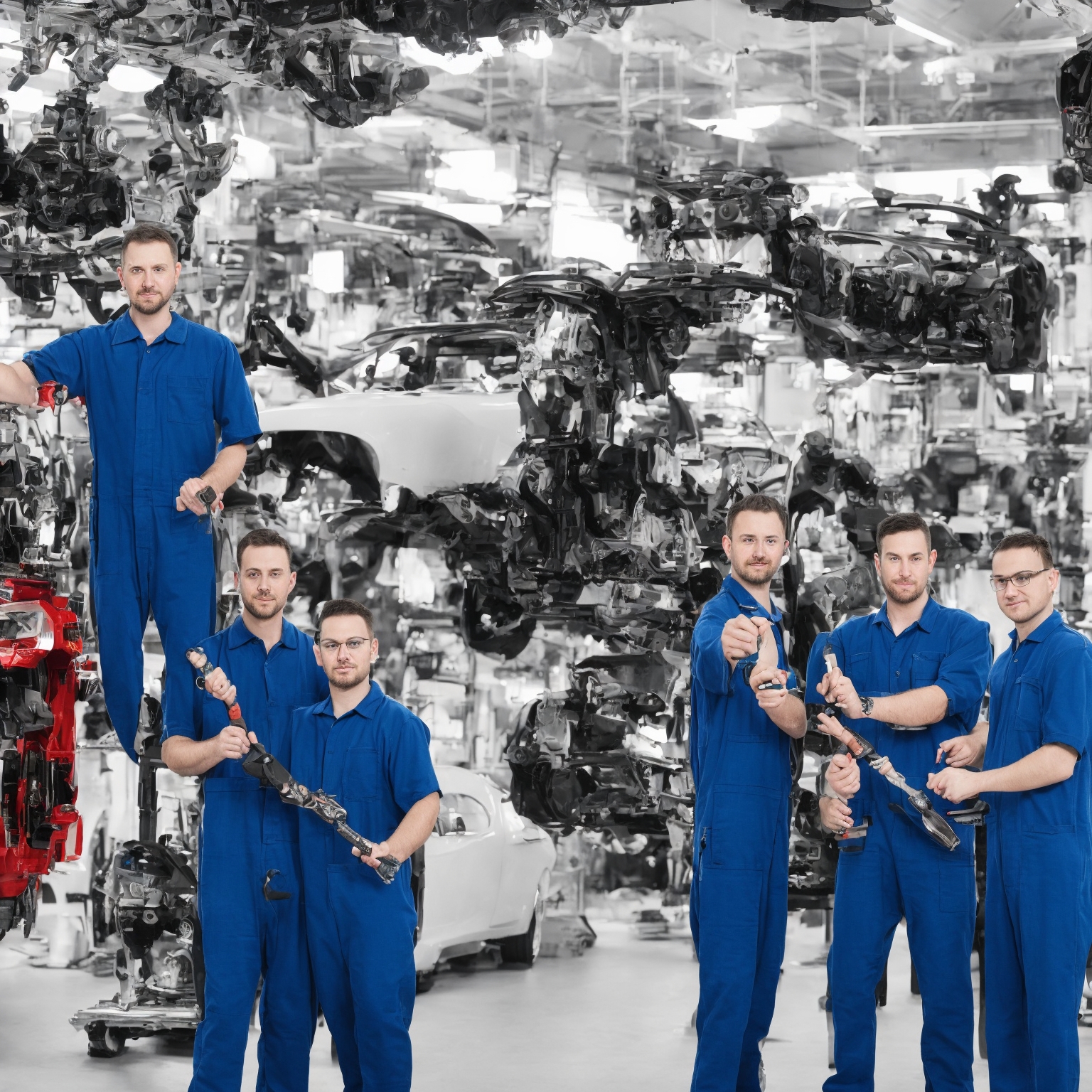
What makes a detail professional is no longer proprietary. It is trainable technique. A shop invests in equipment, in technique training, and in written process documentation. A technician learns how to assess a panel before they touch it, which grit to use on clear coat, when to use a rotary versus orbital, how to know when the work is done and the panel is safe to hand off. The customer gets a scope of work in writing and knows exactly what they are paying for: this many hours, this process, this warranty.
This is a big shift because it means you can compare shops on something other than price and Instagram photos. It means a ceramic coating that holds up is reproducible by another shop using the same standards rather than dependent on one person’s skill. It means the trade itself is getting better because shops compare notes, compete on technique rather than luck, and hold each other to higher standards.
The Key Figures
99%
UV light blocked by professional-grade window film
8+
Hours for a full vehicle detail using published professional standards
1000+
Professional shops nationwide now certified through industry training bodies
3–5 years
Typical durability of a professional ceramic coating when properly maintained
These figures matter because they show where the industry is moving. A shop that knows the numbers — that knows professional film blocks 99% of UV, that understands a detail takes eight hours not four, that can cite its training certification — that shop is betting on precision and repeatability. Those shops are the ones building customer loyalty that lasts beyond the warranty period.
Recommended Reading
The International Carwash Association at carwash.org is the industry body for the car wash and detailing trade. If you want to see what shops are actually being trained on rather than what they advertise, this is where that happens. Their training standards, research reports, and certification programs give you a real window into professional practices. It is worth a look if you are trying to sort shops that compete on standards from ones still running on reputation alone.