Opinion
This is where Linen & Stone Supply takes a position on what’s happening in the automotive appearance and protection market. We’re not neutral observers—we’re business owners who’ve worked with shops, manufacturers, and customers long enough to have opinions worth stating. This page collects our thinking on the debates that matter: when a product is actually worth the premium price, when industry standards are falling short, and where the market is moving faster than regulation can follow.
We hold these positions because we’ve seen the consequences. A recommendation costs us credibility if it fails, so we don’t make them lightly. Our opinion is grounded in the decisions we’ve made in our own business, the feedback we hear from shops we trust, and the market signals we watch year to year.
The questions we’re answering
| Debate | Our stance | Why |
|---|---|---|
| Is ceramic tint worth the extra cost? | Yes, if applied by a trained installer; no if it’s applied by anyone else | Ceramic tint lasts twice as long but demands perfect prep work, which most budget shops skip. A bad ceramic application looks worse than good non-ceramic tint |
| Should you protect new paint with film immediately? | Yes, for the hood and front fenders; optional for the rest | A car’s first three years take the most stone chips. Front-end protection pays for itself in avoided repaints |
| Is detailing overpriced? | No, not at trained shops; yes, everywhere else | Professional detailing takes 8–12 hours and requires skill most shops simply don’t have. The price reflects that training and time |
| Should window tint be sold by UV-blocking percentage or appearance? | By both, clearly stated and separately | The UV percentage and the light transmission are independent variables. A shop conflating them is either uneducated or hiding something |
Our opinions are descriptive (this is what we’ve observed), not prescriptive (you must do this). The decision remains yours.
Where the market diverges from best practice
The biggest gap we see is between what shops advertise and what they actually do. A shop will advertise ceramic coating as a service but skip the clay bar step, which means the coating adheres to contamination, not paint. The coating still shines, so the customer thinks it worked—until it peels off in the second year.
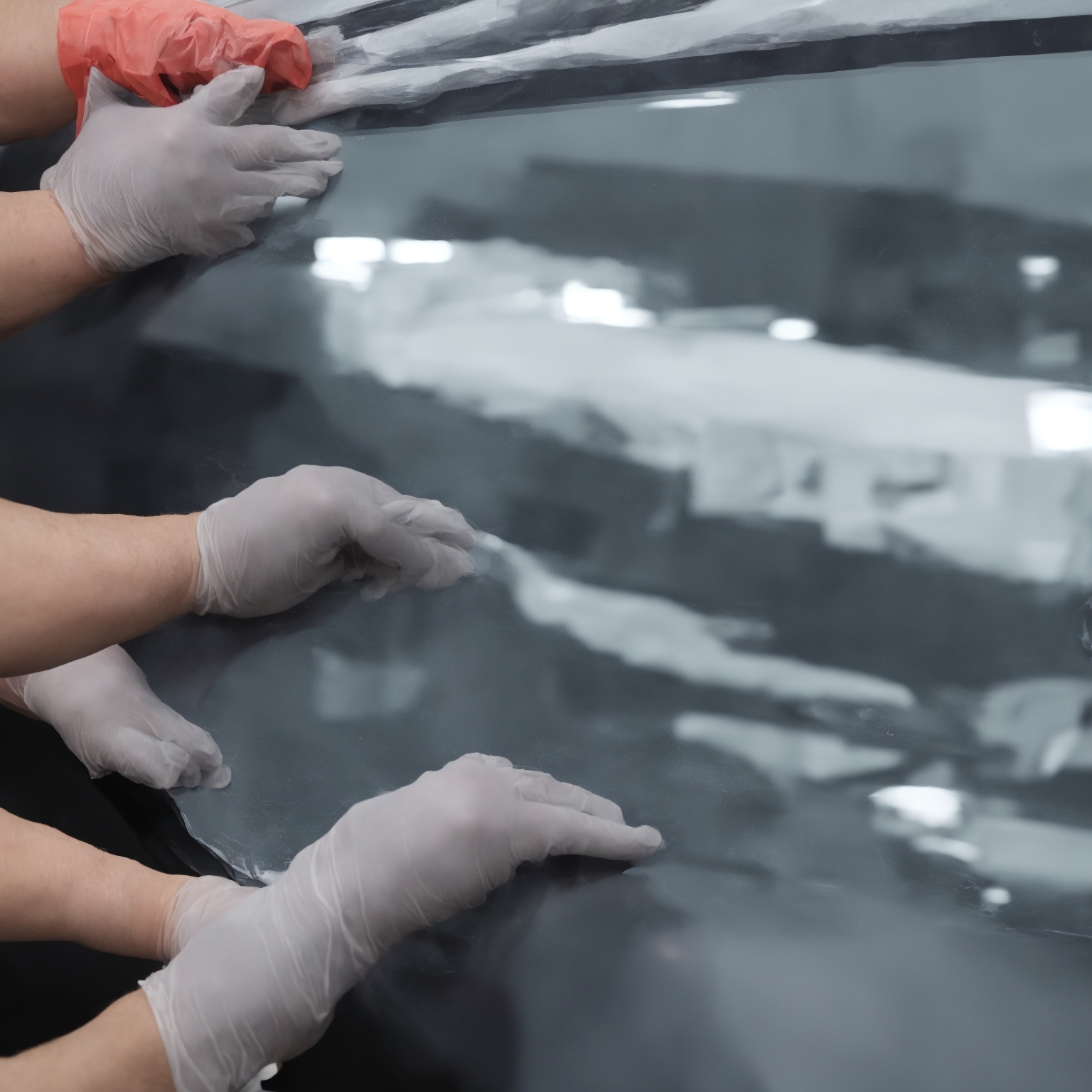
What we mean by “best practice”
For window tint: an installer who measures the glass before ordering film, tests the application on a practice panel, and knows state law well enough to advise on what’s legal where.
For ceramic coating: a technician who breaks down the prep work (wash, clay bar, polish/compound, wipe-down) separately, so you understand what you’re paying for and why it matters.
For detailing: a shop that quotes by the car and time, not by package name. “Full detail” means nothing; “12-hour detail with clay bar, compound, polish, and interior extraction” means something.
How to use this page
| Step | What you do | What you should see |
|---|---|---|
| 1. Read the debates | Scan the table above and note which questions matter to your vehicle | You’ve identified which services (tint, ceramic, detailing) make sense for you |
| 2. Note our stance | Read our position and the reason for it | You understand why we recommend trained shops and what goes wrong at untrained ones |
| 3. Visit a shop and ask questions | Use the best-practice description for the service you want; ask if the shop does all those steps | The shop’s answer tells you whether they know the trade or are just selling names |
| 4. Make your decision | A shop that can explain every step is worth more than one that quotes a lower price | Your tint, coating, or detail lasts years longer and looks noticeably better |
Our opinion is this: the shops worth recommending are the ones whose owners read their industry publications, stay trained, and charge enough to do the work right. The shops that compete on price alone are the ones that cut corners. You get to choose which kind of shop to visit, but the difference shows up in the result.